By Zubair Qadir, FCCA
Taxsteins Ltd
The Chancellor has now delivered the October 2026 Budget, themed “Breathing Space for Today, Fresh Hope for the Future.” Recently, global economic pressures and high debt costs have squeezed family budgets. However, the government has noticeably rejected broad-based tax rises. As a result, headline rates for Income Tax, National Insurance, and VAT will remain unchanged.
Below is an easy-to-understand summary for business owners and individuals. We have cut through the complex jargon to focus directly on your cash flow and tax position.
1. Key Updates for Companies & Businesses
A. Business Rates Relief Package (England)
Small and high-street firms will receive targeted relief starting in April 2027:
- Pubs, Social Clubs, and Live Music Venues: The government is increasing business rates relief from 15% to 35%.
- Retail, Hospitality, and Leisure (RHL): Councils will freeze rates in real terms for two years by capping them with CPI inflation.
- Expanded Small Business Rates Relief (SBRR): The 100% relief threshold rises from £12,000 to £18,000 rateable value. Furthermore, tapered relief will now reach up to £21,000.
- Relief Restrictions: From April 2027, vape shops and Adult Gaming Centres will no longer qualify for SBRR or RHL multipliers.
B. Capital Allowance Adjustments
The Treasury is adjusting capital allowance rates from April 2027 to balance state revenue with investment incentives:
- Writing Down Allowances (Main Rate): The main rate will drop from 18% to 12%.
- First Year Allowance (Main Rate): The upfront allowance will rise from 40% to 50%.
C. Tax Incentives & Founders’ Relief
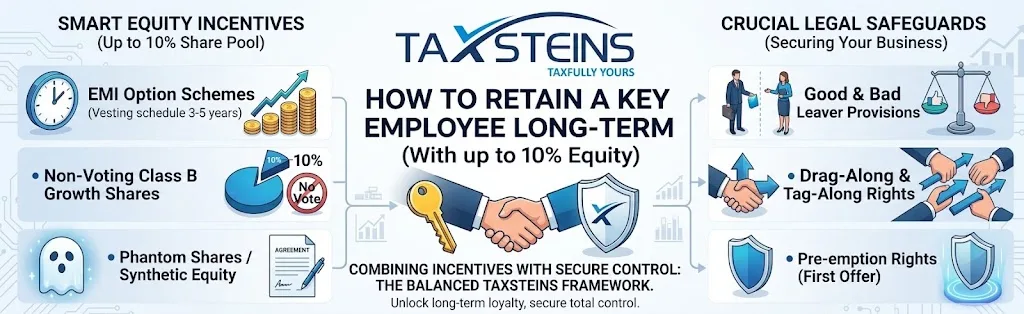
- Founders’ Relief: A new Capital Gains Tax (CGT) relief starts on 6 April 2027. Consequently, eligible founders will pay a reduced 10% CGT rate on up to £10 million of lifetime gains.
- Business Asset Disposal Relief (BADR): The government is reducing the BADR lifetime limit from £1 million to £500,000 on 6 April 2027.
- Expanded Share Options (EMI2): The individual limit for tax-free EMI share options will double from £60,000 to £120,000.
- Trading Allowance: Micro-businesses will see their tax-free Trading Allowance triple from £1,000 to £3,000 on 6 April 2027.
D. Compliance & VAT Changes
- Online Marketplaces: Starting in October 2027, platforms must collect VAT for UK business sellers who trade over £90,000 annually.
- Private Hire Vehicles: Large minicab operators with turnover over £50m must charge VAT on full fares starting January 2028.
- Mandatory E-Invoicing: Businesses must adopt structured VAT e-invoicing from 1 April 2029.
- Bank Surcharge: Banks will pay a temporary surcharge increase from 3% to 6% for 15 months to help fund cost-of-living relief.
2. Key Updates for Individuals & Families
A. Savings & Property Income Taxes
From 6 April 2027, tax rates on non-salary income will increase:
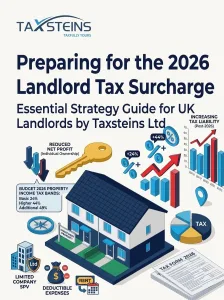
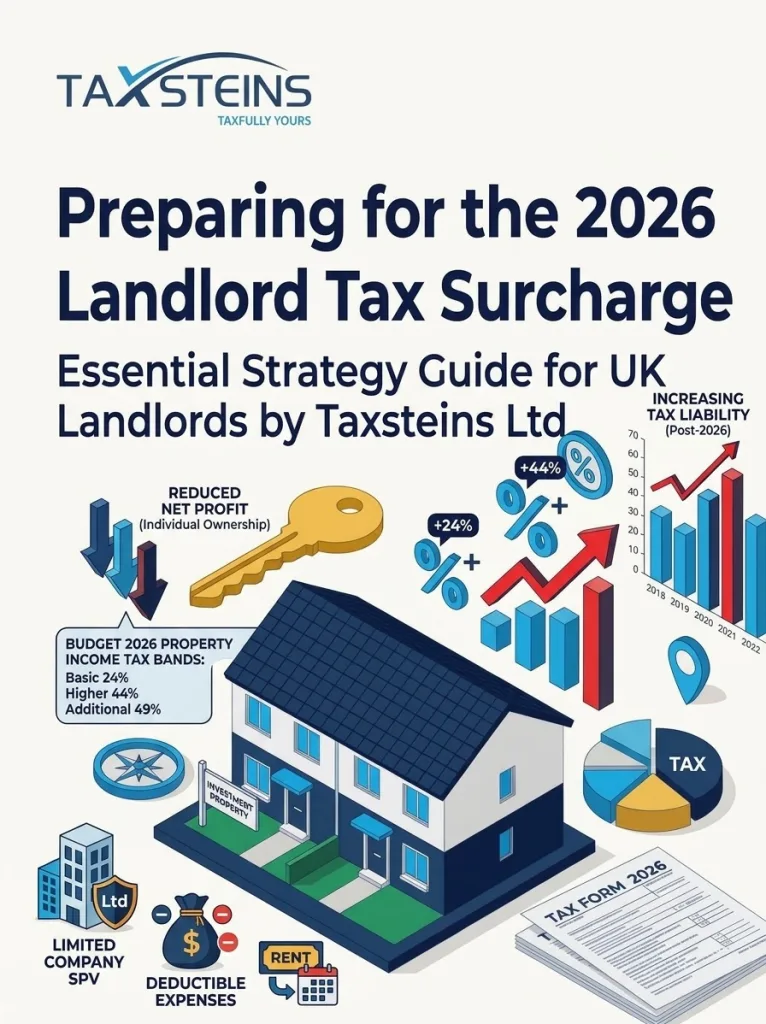
- Tax rates on property and savings income will rise by 2 percentage points across all tax bands.
- Cash ISA Limit Frozen: The government is keeping the generous cash ISA limit at £20,000 per year.
B. Energy Bills & Fuel Relief
- Electricity VAT Cut: The 0% VAT rate on domestic electricity will now run until July 2027. This extension saves roughly £50 on average energy bills.
- £100 Energy Rebate: Up to 20 million households in Council Tax bands A–D in England will receive a direct £100 payment in January 2027.
- Fuel Duty Freeze: Drivers will benefit from an extended 5p fuel duty cut until 1 July 2027.
C. Mileage Allowance for Workers
- Tax-Free Mileage Rate: The higher rate of 55p per mile for the first 10,000 business miles is now permanent.
- Additionally, the allowance for business driving over 10,000 miles will increase from 25p to 35p per mile from 6 April 2027.
D. Housing & First-Time Buyers
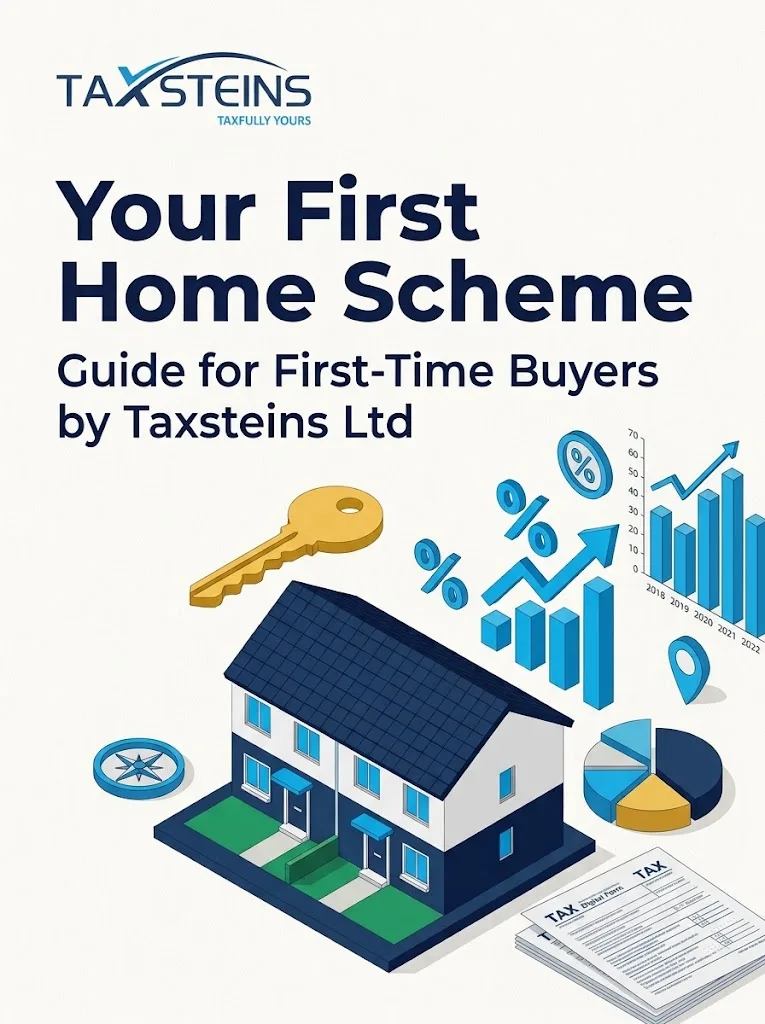
- Your First Home Scheme: A new £4.7 billion initiative offers 20% equity loans to buyers with just a 2.5% deposit. Full applications open in February 2027.
- First Time Buyer ISA: Launching in April 2029, this account replaces the Lifetime ISA for new buyers. It keeps the popular 25% bonus for home purchases up to £450,000.
- LISA Penalty Cut: Effective immediately, the penalty for buying homes above the £450,000 threshold using a LISA drops from 25% to 20%.
E. Wages, Pensions, & Benefits
- National Living Wage: Low-paid workers will see a 3.9% pay increase to £13.21/hour on 1 April 2027.
- Pension Tax Allowance: Starting April 2027, a new allowance protects pensioners on the full state pension from paying tax due to annual pension increases.
- State Pension Triple Lock: The full Triple Lock remains in place until April 2029. Afterwards, the pension will track average earnings sustainably.
- Parental Pay for Self-Employed: Self-employed fathers and partners will gain access to formal parental pay schemes in April 2029.
Final Thoughts from Taxsteins Ltd
Overall, this Budget balances immediate cost-of-living support with longer-term tax adjustments. Although basic tax rates stay stable, business owners and property investors must prepare early for upcoming capital gain and property tax changes.
Do you need tailored advice on how these changes impact your tax structure? Contact Zubair Qadir and the team at Taxsteins Ltd today!