Taxsteins Ltd
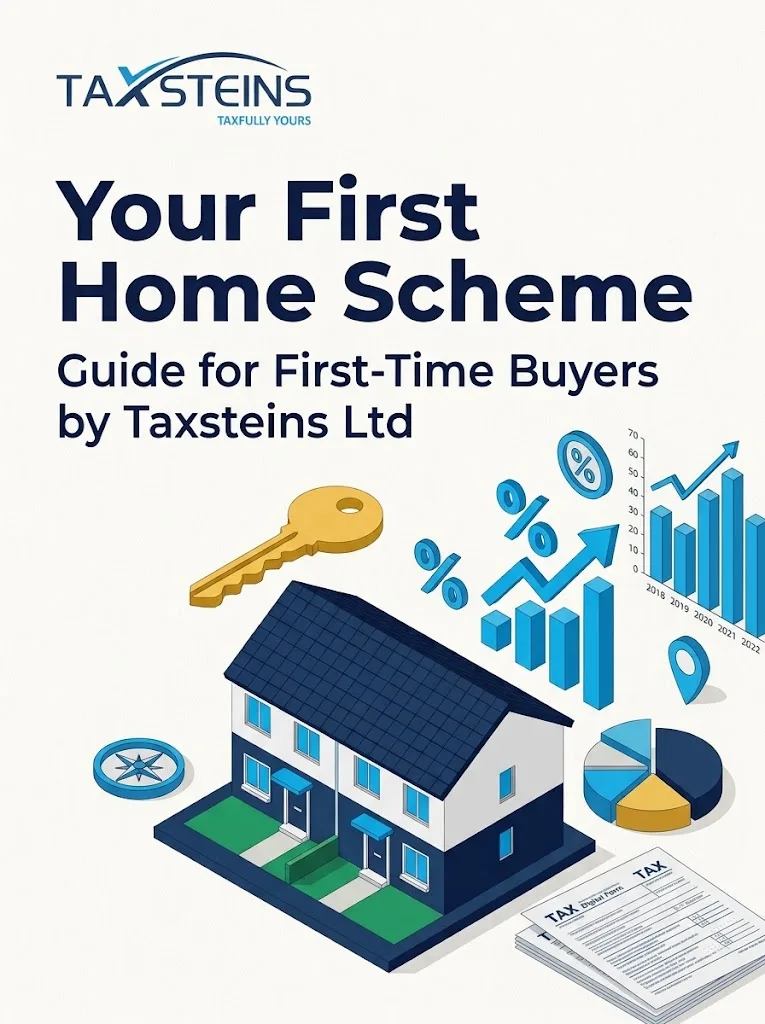
Getting onto the property ladder has felt like an uphill battle for many young UK buyers recently. High house prices and strict saving requirements have made standard deposits hard to reach. However, the government has launched a brand-new initiative in the October 2026 Budget to solve this problem.
The £4.7 billion “Your First Home” scheme offers a major lifeline to first-time buyers. In this detailed guide, we break down how the scheme works, who can qualify, and what you should consider before applying.
What Is the “Your First Home” Scheme?
The “Your First Home” initiative is a government-backed equity loan scheme. It aims to help around 70,000 households in England buy their very first property.
Under this scheme, you can purchase an eligible new-build property with a cash deposit of just 2.5%. The government then provides an equity loan of up to 20% of the home’s value. Afterwards, you take out a standard mortgage from a participating lender to cover the remaining 77.5% balance.
Because the government co-invests alongside you, your overall mortgage size shrinks significantly. Consequently, your monthly mortgage payments become much more manageable during the initial years.
How Does the 20% Equity Loan Work?
Understanding equity loans is crucial before making a commitment. Here are the core mechanics of the 20% loan:
- Interest-Free Window: You will pay no interest on the 20% equity loan for the first 5 years. This 5-year grace period gives you financial room to settle into your new home.
- Interest Rates After Year 5: Starting in year 6, the government will charge a small interest fee on the loan. This fee gradually increases over time.
- Repayment Structure: The loan is tied directly to your property’s market value, not the fixed cash amount you borrowed. For instance, if you sell the property later or repay the loan, you pay back 20% of the home’s current market value at that time.
Who Is Eligible for the Scheme?
The government has introduced clear eligibility rules to ensure this scheme reaches the people who need it most:
1. First-Time Buyers Only
Every applicant on the mortgage must be a true first-time buyer. You cannot own, or have previously owned, a residential property anywhere in the UK or abroad.
2. Household Income Caps
To keep the support targeted, the government enforces strict household income limits:
- Outside London: Maximum combined household income of £110,000 per year.
- Inside London: Maximum combined household income of £140,000 per year.
3. Property Price Caps
regional price ceilings apply to prevent the inflation of higher-end homes. These limits reflect local median house prices:
- Inner London Price Cap: £650,000.
- Outer London Price Cap: £500,000.
- Regions Outside London: Caps vary by local authority median prices.
4. Property Type
The scheme applies strictly to eligible new-build residential homes in England built by participating housebuilders.
Key Rollout Dates: When Can You Apply?
If you are planning to buy soon, keep these official dates in mind:
- December 2026: Pre-registration opens for interested buyers.
- February 2027: Full application processing begins.
- April 2027: The government issues the very first equity loans.
Homes England will manage the scheme during its initial phase. Later, the National Housing Bank will take over long-term administration.
Additional First-Time Buyer Changes You Should Know
Along with the “Your First Home” scheme, the Treasury has announced two further adjustments for first-time buyers:
1. Immediate Lifetime ISA (LISA) Penalty Relief
Currently, if you use a Lifetime ISA to buy a home priced above the £450,000 property cap, you face a 25% penalty fee. This penalty wipes out your government bonus and cuts into your personal savings.
Effective 29 October 2026, the government has reduced this penalty fee from 25% to 20% for home purchases over £450,000. As a result, you will retain the full value of your original personal contributions.
2. The New First-Time Buyer ISA (Coming April 2029)
The government will introduce a dedicated First-Time Buyer ISA starting 6 April 2029. This new account will replace the Lifetime ISA for new property savers.
It keeps the generous 25% government bonus (up to £1,000 bonus per year on £4,000 saved). Crucially, it removes age limits and eliminates harsh withdrawal penalties entirely.
The Pros and Cons: Is This Scheme Right for You?
The Advantages:
- Smaller Deposit Needed: Saving a 2.5% deposit is far easier than saving a traditional 10% or 15% deposit.
- Lower Monthly Payments: A 77.5% mortgage means lower monthly bank repayments compared to a 95% mortgage.
- 5-Year Interest-Free Window: You pay zero interest on the 20% equity loan for the first 5 years.
Things to Consider:
- New-Build Premium: New-build properties sometimes carry a slight price premium over older homes.
- Future Property Values: If your home increases in value, the cash amount you owe the government (20%) will also increase.
- Repayment Strategy: You must plan how you will repay the 20% loan after 5 years, either by remortgaging, using savings, or selling the property.
Final Guidance from Taxsteins Ltd
The “Your First Home” scheme offers an excellent opportunity for people who struggle to save a massive cash deposit. However, taking on a combined mortgage and equity loan requires careful long-term financial planning.
Before reserving a new-build plot, always check the local property price caps and review your borrowing budget carefully.
Do you need help planning your mortgage savings or understanding how property taxes affect your purchase? Contact Zubair Qadir and the expert team at Taxsteins Ltd today!