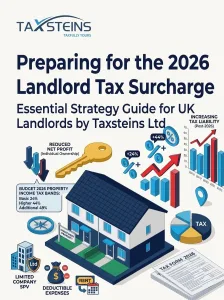
Budget 2026 Landlord Tax Increase: What Property Investors Must Know
The UK government has delivered a major update for property investors in Budget 2026. Landlords across England, Wales, and Northern Ireland face significant income tax changes on rental income.
If you own residential buy-to-let properties in your personal name, these tax changes will directly affect your bottom line. Here is a breakdown of the Budget 2026 tax changes, their impact on your returns, and your best strategic options.
What Are the New Property Income Tax Rates?
The government announced an increased tax surcharge on personal property income. Rental profits will no longer align with standard income tax bands for employment or pension earnings. Instead, HMRC is applying distinct property income tax rates:
| Income Tax Band | Standard Income Rate | New Property Income Rate |
| Basic Rate | 20% | 24% |
| Higher Rate | 40% | 44% |
| Additional Rate | 45% | 49% |
Basic rate taxpayers will see their rate rise to 24%. Higher rate taxpayers will pay 44%, and top-rate taxpayers face a 49% tax on property profits.
Key Drivers Behind the Squeeze
1. The Combined Effect of Restricted Mortgage Relief
Because Section 24 limits mortgage interest relief to a basic rate tax credit, higher-rate taxpayers suffer a double hit. You are taxed at the higher 44% or 49% rate on gross profit before deducting full interest expenses. Consequently, your effective tax rate on actual profit after mortgage payments will rise significantly.
2. Frozen Personal Thresholds
Personal allowance thresholds remain frozen at £12,570. Rising market rents push more property owners into higher tax bands. This process, known as fiscal drag, subjects a larger portion of rental profit to 44% tax.
Impact on Tenants and the Private Rented Sector
Industry groups like the National Residential Landlords Association (NRLA) and the Office for Budget Responsibility (OBR) have issued warnings regarding these changes:
- Higher Rents: Landlords facing squeezed profits will likely pass costs onto tenants through rent increases.
- Reduced Housing Supply: Lower returns will prompt individual landlords to exit the market or sell properties.
- Tighter Competition: Decreased rental supply combined with high tenant demand will create a competitive market for renters.
Actionable Strategies for Landlords
You can adapt your investment strategy to navigate these tax increases effectively:
- Incorporate via a Special Purpose Vehicle (SPV): Corporation tax rates remain lower than the top personal property tax rates. Mortgage interest remains a deductible business expense for limited companies. However, evaluate stamp duty, capital gains tax, and refinancing fees before transferring existing personal properties.
- Review Rent and Running Costs: Conduct regular rent reviews to match current local market rates. Lower operational costs by renegotiating insurance policies and management fees.
- Maximise Allowable Expenses: Keep strict records of all replacement items, maintenance, and utility bills. Deducting all eligible expenses reduces taxable profit.
- Consult a Qualified Property Accountant: Tax rules are complex, and individual circumstances vary. Speak with an accountant to determine whether holding, restructuring, or selling properties makes the most financial sense.
Final Thoughts
Budget 2026 shifts the financial landscape for individual property investors. While higher rates reduce margins for personal property owners, proactive planning can help safeguard your investments. Review your portfolio numbers today to build a resilient strategy for the years ahead.